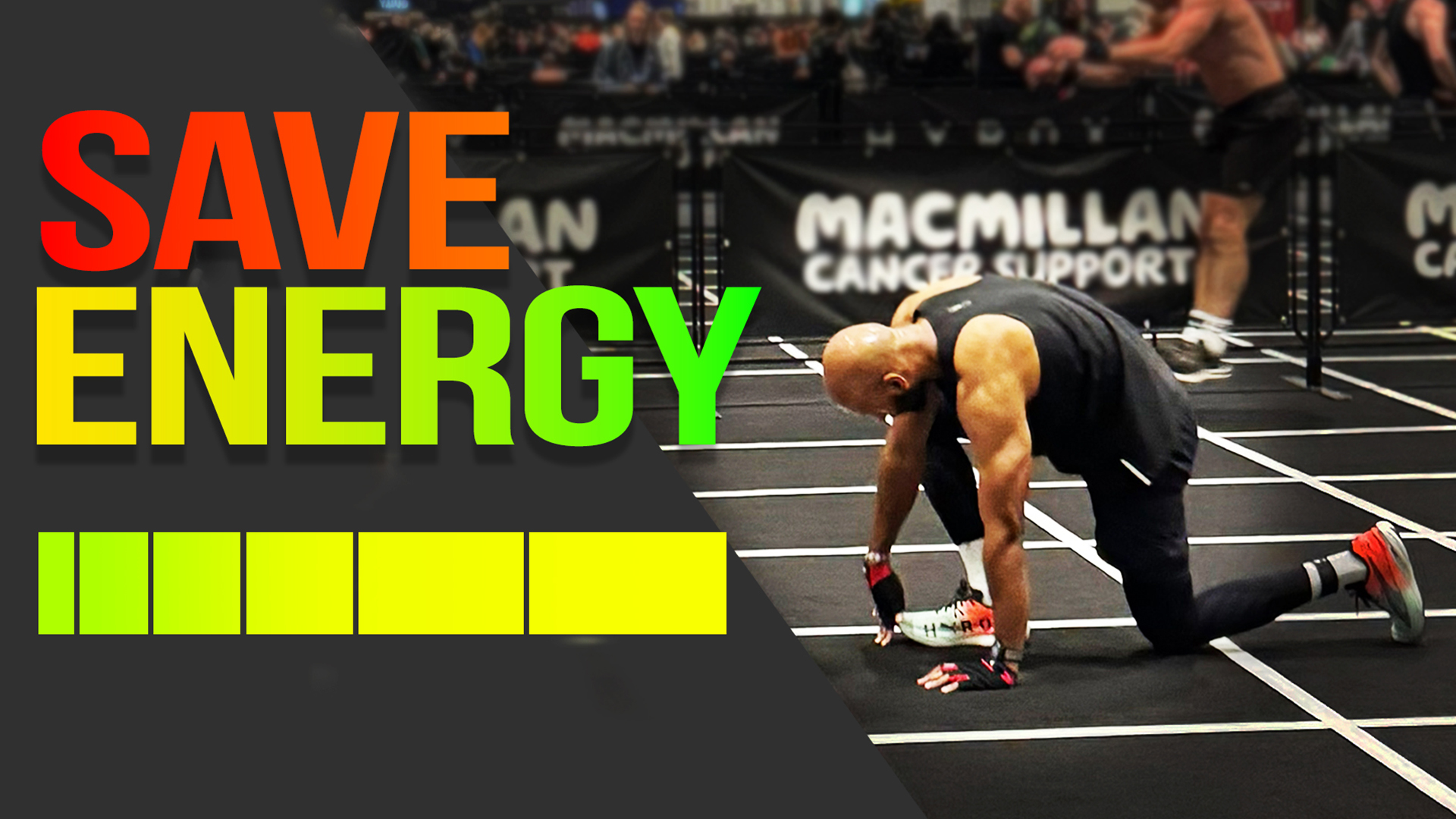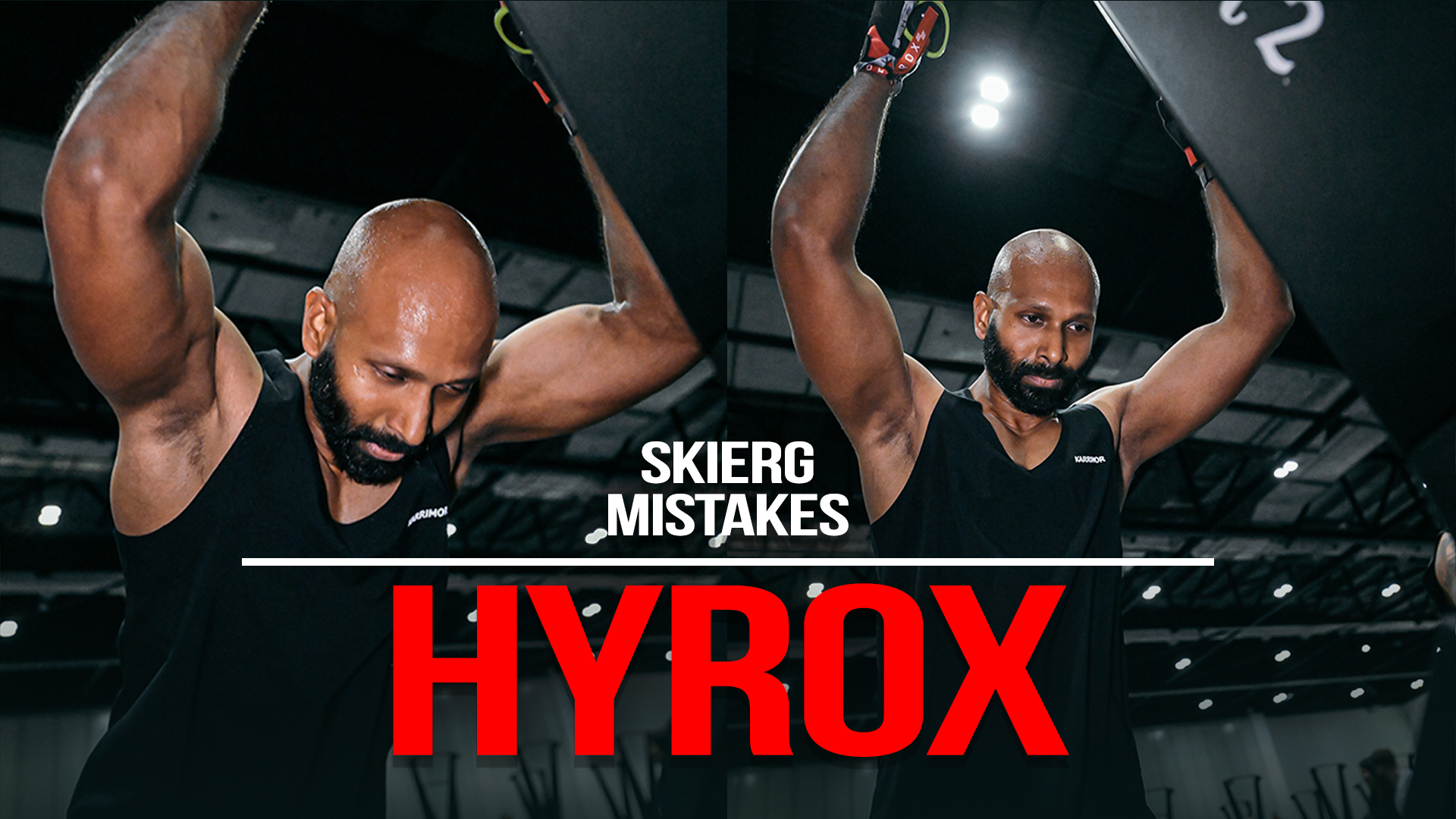
After my first HYROX race didn’t go as planned, I knew I had to rethink my strategy —
both in training and on race day. This blog post breaks down exactly what I did differently, how I managed my pacing, the biggest mistakes I made (even the second time!), and the key takeaways that helped me improve my time by a massive margin.
Whether you’re preparing for your first HYROX event or looking to improve your performance, this detailed breakdown will help you think smarter, train better, and race with more confidence.
What Is HYROX & Why It’s Unique
HYROX is a competitive fitness race combining running with functional stations — like Ski
Erg, sled pushes, rowing, burpee broad jumps, lunges, and wall balls — in a standardized format. It’s a hybrid blend of endurance, strength, and technique that challenges both your physical and mental stamina. Wikipedia
Unlike a typical race or workout, HYROX forces you to manage your energy across repeated
run-station cycles, making pacing and strategy just as important as raw
strength or speed.
My First HYROX Race: What Went Wrong
In my first HYROX, I finished in just over 1hr:36min, which was short of my goal of sub-1hr:30mins.
I learned plenty — mostly the hard way — especially how improper pacing and early cramping can sabotage a race.
Instead of a smart, energy-savvy approach, I went out too hard, pushed my stroke rates too
high early on, and ended up with cramps well before the finish. That experience set the stage for a major rethink.
Training For Redemption: What I Focused On
I committed to a 5-month training block with the goal of addressing my weaknesses and reinforcing my strengths.
1. Smart Running
Running makes up over half of the HYROX race — mastering pace and efficiency was
crucial. I improved my:
- Interval speed work (e.g., 800m sprints at race
pace) - Tempo runs for sustained effort
- Compromised runs (runs inserted between
functional stations) - Zone 2 long runs to build aerobic base
This combination boosted my running endurance and improved my ability to recover
between intense efforts.
2. Functional Strength & Technique
For sleds, burpee broad jumps, lunges, and wall balls, I practiced both technique and
pacing. Rather than blasting through, I learned when to conserve energy and when to push — which was especially useful on harder stations like sled push and pull.
3. Fueling Strategy
Cramps nearly ruined both races — so this time, I brought carb gels at planned intervals to delay fatigue and stave off cramping. I also experimented with sodium intake, as salt loss through sweat can be a major contributing factor to muscle cramps.
Race Day: How It Actually Unfolded
1. Early Pacing & Ski Erg
I made a conscious decision not to sprint out of the gate. Even though competitors around me were going fast, I focused on staying composed and controlled. On the Ski Erg, I kept a lower stroke rate and emphasised controlled power — even if that meant a slightly slower split — because I knew that would save valuable energy later.
2. Sled Push & Pull
Both sled push and pull felt better than my first race. My use of forearm bracing technique on sled push allowed smoother movement, and I deliberately took brief pauses between laps to preserve energy — a strategy introduced in my training. I still need to improve my sled endurance and recovery, but the overall time was better than before.
3. Mid-Race Cramping & Fueling
I hit the runs and functional stations with better pacing, but cramps began creeping in around Run 5. I quickly discovered I didn’t bring enough gels — a mistake I won’t make again. I used water station breaks and handheld fluids to manage the cramps mid-race.
4. Final Stations & Finish
Walking lunges and wall balls tested my leg endurance, especially with cramps in both quads and calves. Despite this, staying calm and using knee-up burpee technique helped lower my heart rate and maintain movement through heavy fatigue.
In the end, my finish time was 1:23:48, a 12-minute improvement over my first HYROX — a personal best I’m proud of, but also a stepping stone toward future improvements.
Key Lessons & Takeaways
Here’s what I learned that can help you train smarter for your HYROX races:
Pacing Over All
Don’t sprint early. Staying controlled and composed pays dividends later in the race.
Train Under Fatigue
Simulate race conditions in training — e.g., run, functional station, run again — to prepare your body for compromised legs.
Fuelling Matters
Cramps can derail everything. Use gels, electrolytes, and planned fueling to stay on track.
Technique Isn’t Optional
Efficient technique in sleds, burpees, and lunges saves energy and improves consistency.
Gear That Helped Me Race Better
Here’s what I used in training and on race day:
- Puma Deviate NITRO™ 3 HYROX
Running Shoes –
comfortable running with slight performance edge → https://amzn.to/4jpdoLy - Compression Knee & Leg
Sleeves –
support and joint protection → https://amzn.to/49dK99R - Compression Socks – helps with circulation and
recovery → https://amzn.to/4seZj7h - Training Gloves – better grip without constant
chalk → https://amzn.to/49bkdeV
Supplements I took to avoid cramps and also help me perform better on race day:
Creatine – https://amzn.to/4jwMHog
Beta Alanine – https://amzn.to/4q9rWBq
Electrolyte https://amzn.to/4b0dlnl
Carb Gel https://amzn.to/3YlZS1r
(Affiliate links — you may support the site at no extra cost.)
Final Thoughts
HYROX racing teaches you more about pacing, endurance, and strategic training than almost any other fitness event I’ve experienced. My second race wasn’t perfect, but with smarter planning, focused training, and smarter pacing, I was able to beat my previous time significantly.
Got questions about HYROX prep, pacing strategies, or training ideas? Drop them in the comments below or contact me directly!